
5Ws Lysine-Rich Foods: The Essential Guide to Boosting Your Protein Quality

Struggling with slow recovery after workouts or feeling like your protein game could be stronger? Many guys don’t realize that not all proteins are equal—lysine, an essential amino acid, is often the missing piece for optimal muscle repair, energy, and overall performance.
At Men’s Health 5Ws, we cut through the nutrition noise to give you clear, practical answers. Today, we’re diving into lysine-rich foods with the straightforward who, what, when, where, and why—so you can upgrade your diet and fuel like a pro.
Ready to build better habits and see real results? Let’s get started.
For those who are new to the terminology of ‘lysine’, this article will be your guide.levels.com

Who Needs Lysine—and Who Benefits Most?
Lysine is vital for every man, but these groups see the biggest payoffs from prioritizing it:
- Strength trainers and athletes: Essential for muscle protein synthesis and faster recovery.
- Plant-based eaters: Many vegan/vegetarian proteins are lower in lysine, making targeted sources key.
- Men over 40: Helps combat age-related muscle loss and supports joint health via collagen.
- Those with high stress or poor immunity: Lysine aids hormone balance and immune response.
- Active guys aiming for lean gains: Boosts carnitine production for better fat metabolism.
Expert Insight: “Lysine is a limiting amino acid in many diets—getting enough ensures your body uses protein efficiently,” according to nutrition research from sources like NIH.
Bold Tip: Calculate your needs: Aim for 30–50mg per kg body weight daily (e.g., 2,500–4,000mg for an 80kg man)—easy with mixed meals.
Now that we know who thrives on it, let’s break down lysine itself.
What Is Lysine—and What Foods Pack the Most?
Lysine is an essential amino acid your body can’t make, serving as a building block for proteins. It supports collagen formation (strong skin, joints, tendons), carnitine production (turns fat into energy), calcium absorption, and immune function.
Signs of suboptimal intake: Slower muscle gains, fatigue, or frequent colds.
Top 5 lysine powerhouses (with approx. mg per serving):
- Lean meats (beef, pork, chicken—4oz): 2,500–3,500mg
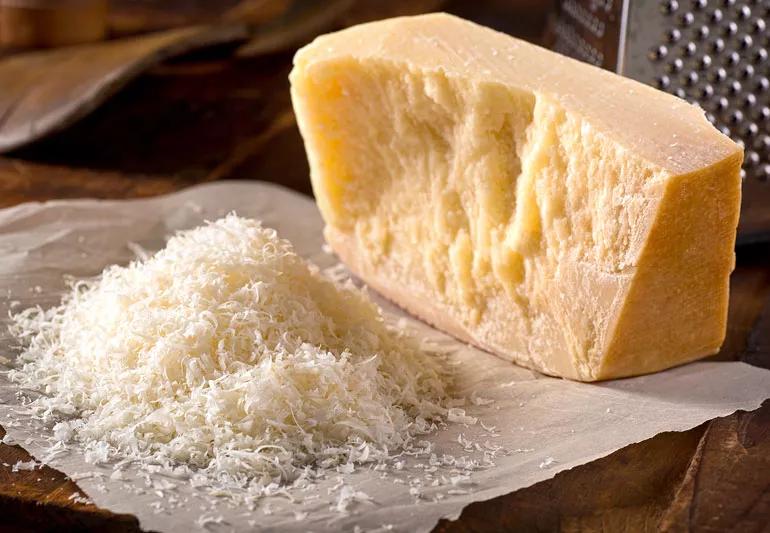
- Parmesan cheese (1oz): 1,000–1,200mg
- Fish (cod, salmon, sardines—4oz): 2,000–3,000mg
- Eggs (2 large): 900–1,300mg
- Legumes (beans, lentils, peas—1 cup cooked): 600–1,200mg
Bold Tip: Start simple—add one high-lysine food to every meal for balanced protein.
With the foods in mind, let’s talk timing.
When Should You Prioritize Lysine—and When Does It Matter Most?
Lysine needs are daily, but ramp up during:
- Intense training blocks (post-workout for repair).
- Muscle-building phases.
- Recovery from illness or stress.
Key moments:
- Every meal: For steady absorption and complete protein.
- Post-gym: Pair with carbs for optimal uptake.
- Red flags for deficiency: Persistent fatigue or slow healing—get bloodwork if concerned.
Action Plan:
- Breakfast: Eggs or cheese.
- Lunch: Meat or fish-based.
- Dinner/Snack: Legumes or mixed sources.
Bold Tip: Spread intake across the day—your body absorbs it better in smaller doses.

Next, sourcing and easy ideas.
Where Does Lysine Come From—and Where to Incorporate It Easily?
Primarily from high-quality animal proteins, with solid plant options too.
Quick sources:
- Grocery staples: Lean meats, fish, eggs, dairy.
- Plant-based: Beans, lentils, peas, quinoa.
- Recipes to try: Grilled chicken quinoa bowl, parmesan-crusted cod, lentil curry with eggs, beef stir-fry, or pork chops with beans.
Bold Tip: Shop smart—choose wild-caught fish or grass-fed meats for bonus nutrients.

Finally, the big-picture motivation.
Why Lysine Matters—and Why Add It Now?
Beyond basics, lysine reduces cholesterol risks, supports hormone production (including testosterone), fights cold sores (via herpes virus inhibition), and enhances overall protein utilization.
Long-term perks:
- Stronger muscles and faster recovery.
- Healthier joints and skin.
- Better energy from efficient fat burning.
- Reduced inflammation and stronger immunity.
Science highlight: Studies link adequate lysine to improved athletic performance and collagen synthesis.
Pull-Quote: “Lysine turns good protein into great results—don’t leave gains on the table.”
Bold Tip: Track for a week—you’ll feel the difference in energy and recovery.

Conclusion
Boosting lysine ties everything together: it’s essential for active men, plant-eaters, and anyone optimizing health; it’s the amino acid powering collagen, energy conversion, and muscle repair; prioritize it daily, especially around workouts; source it from meats, fish, cheese, eggs, and legumes; and it’s worth the focus for stronger gains, better recovery, and long-term vitality. This isn’t complicated—small swaps in your meals can make a huge impact. With these 5Ws as your guide, you’re set to elevate your nutrition game. Start adding these foods today, stay consistent, and watch your performance soar.

