
5Ws Guide to Building a Stronger Core: Visible Abs Explained


Ever scrolled through fitness feeds and wondered why some guys seem to have chiseled abs effortlessly, while others grind for months with little to show? You’re not alone—the journey to visible abs is one of the most common goals (and frustrations) for men hitting the gym.
At Men’s Health 5Ws, we break down the complexities of fitness into straightforward answers. Today, we’re unpacking visible abs using the essential who, what, when, where, and why—so you can build a stronger, more defined core with confidence.
Ready to transform your midsection and feel unstoppable? Let’s dive in.
Who Does Visible Abs Impact—and Who Benefits Most?
Visible abs aren’t just for pro athletes or fitness models; they impact any man looking to boost confidence, improve posture, or enhance overall health. That said, certain profiles see faster or more pronounced results:
- Men starting with moderate body fat (15–25%): This is the average range for many active guys—progress can be steady with consistency.
- Younger men (20–35 years old): Higher natural testosterone and faster metabolism often speed up fat loss and muscle building.
- Those with consistent training history: If you’ve already built some core strength, revealing abs is more about fat reduction than starting from scratch.
- Risk groups for slower progress: Men over 40, those with high stress (elevated cortisol promotes belly fat storage), or genetic tendencies to store fat in the midsection.
Expert Insight: “Genetics play a role in fat distribution, but dedication trumps everything,” says strength coach Ebenezer Samuel, C.S.C.S., from Men’s Health.
Bold Tip: Track your starting body fat percentage (use calipers or a DEXA scan for accuracy) to set realistic expectations.

Now that we’ve identified who this journey is for, let’s clarify exactly what visible abs entail.
What Are Visible Abs—and What Causes Them to Hide?
Visible abs refer to defined rectus abdominis muscles (the “six-pack”) showing through low body fat. It’s not just about crunches—abs are built in the gym but revealed in the kitchen.
Common signs your abs are developing (even if hidden):
- Tighter waistline
- Improved posture and core stability
- Better performance in compound lifts (squats, deadlifts)
- Visible upper abs first (often at 12–15% body fat)
- Full definition at 10–12% for most men
- Vascularity and separation in leaner ranges (under 10%)
Causes of hidden abs: Excess subcutaneous fat covering the muscles, often from calorie surplus, poor sleep, or inconsistent training.
Bold Tip: Prioritize protein (1.6–2.2g per kg body weight) to preserve muscle while cutting fat—try lean chicken, eggs, or Greek yogurt.

With the basics covered, let’s explore the timeline.
When Do Abs Typically Appear—and When to Seek Help?
The timeline varies wildly—anywhere from 3 months (if starting lean, around 15–18% body fat) to 12+ months (from higher levels, 25%+).
Key phases:
- Weeks 1–4: Improved strength, reduced bloating.
- Months 1–3: Outlines emerge (upper abs at ~12–15%).
- Months 3–6: Clear definition for many (down to 10–12%).
- Triggers for faster progress: Consistent calorie deficit, strength training 3–5x/week.
Red flags to see a pro (doctor or trainer): Plateaus lasting months, extreme fatigue, or unsustainable hunger.
Action Plan:
- Aim for safe fat loss: 0.5–1% body weight per week.
- Reassess every 4 weeks with progress photos.
- Incorporate HIIT 2–3x/week for faster results.
Bold Tip: Stay hydrated (3–4 liters daily) to reduce water retention and reveal definition quicker.
Next, where does this all happen in your body and routine?
Where in the Body Do Abs Develop—and Where to Find Support?
Abs form in the rectus abdominis (front), obliques (sides), and transverse abdominis (deep core)—but fat often accumulates viscerally (around organs) or subcutaneously (under skin) in the midsection due to hormones and lifestyle.
Body map quick hits:
- Upper abs show first.
- Lower abs (the “V-lines”) require the lowest body fat.
- Core stability impacts posture and back health.
Resources:
- Gyms for compound lifts.
- Apps like MyFitnessPal for tracking.
- Online communities (Reddit’s r/fitness, Men’s Health forums).
- Clinics for body fat scans.
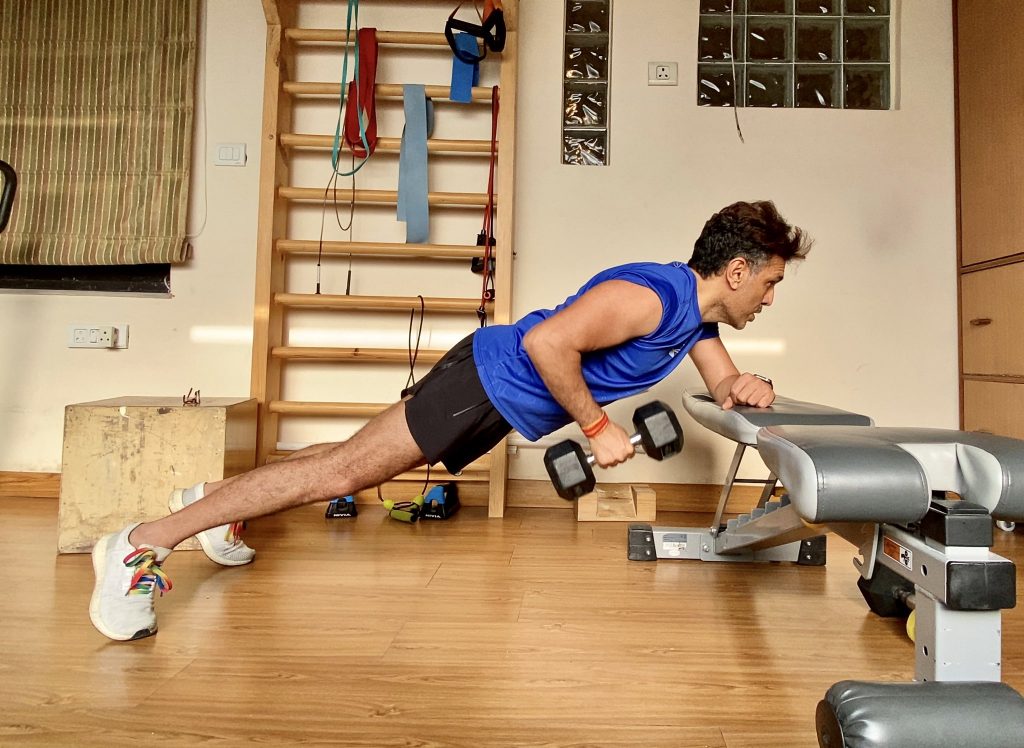
Bold Tip: Train full-body—compound moves like deadlifts engage core more than isolation alone.
Finally, the motivation booster.
Why Visible Abs Matter—and Why Bother with the Effort?
Strong abs go beyond looks: They reduce lower back pain, improve athletic performance, and boost metabolic health by lowering visceral fat risks (heart disease, diabetes).
Long-term wins:
- Enhanced confidence and mental resilience.
- Better functional strength for daily life.
- Sustainable habits that prevent yo-yo weight gain.
Science backs it: Studies show low body fat (10–15%) correlates with higher testosterone and energy levels.
Pull-Quote: “Visible abs are 80% diet, 20% training—but 100% commitment.” – Fitness experts consensus.
Bold Tip: Focus on progressive overload—add weight or reps weekly to keep building.
Conclusion
Getting visible abs is a rewarding journey that touches on every aspect we’ve explored: it’s for any dedicated guy ready to put in the work, especially those starting from a moderate body fat level; it’s about revealing the rectus abdominis through smart training and nutrition; it typically takes 3 to 12 months depending on your starting point and consistency; it happens in your midsection muscles while leaning on full-body routines and reliable resources; and ultimately, it’s worth it for the boosted health, confidence, and performance that come with a stronger core. This isn’t just about aesthetics—it’s a milestone toward becoming a healthier, more capable version of yourself. With the clarity of these 5Ws, consistent effort, and the right mindset, you’re fully equipped to make it happen. The key is patience and commitment; start today, track your progress, and celebrate the small wins along the way.

